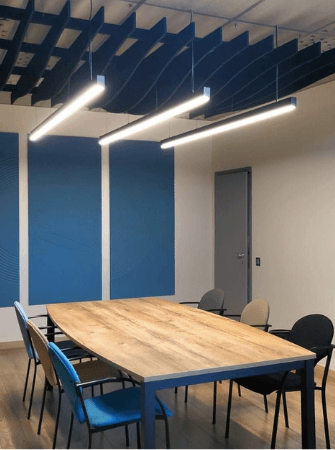
Wall Acoustic Panels: Controlling Lateral Reflections
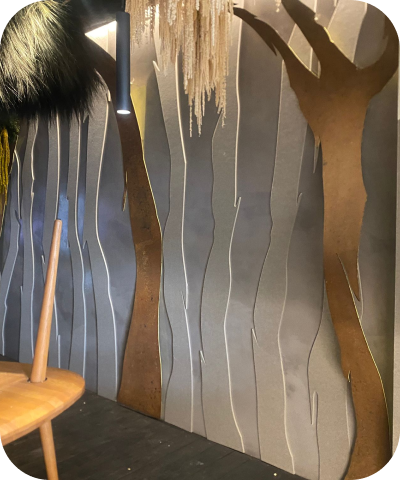
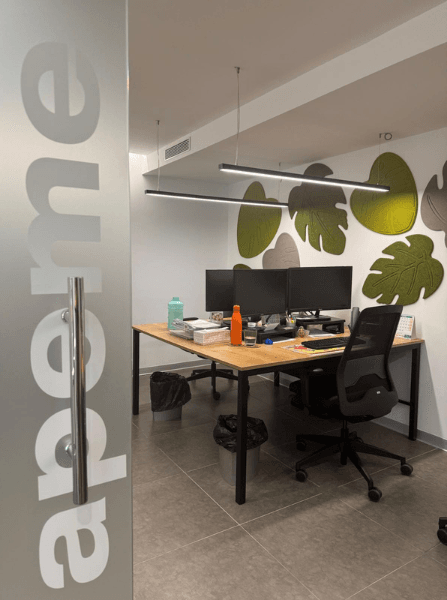
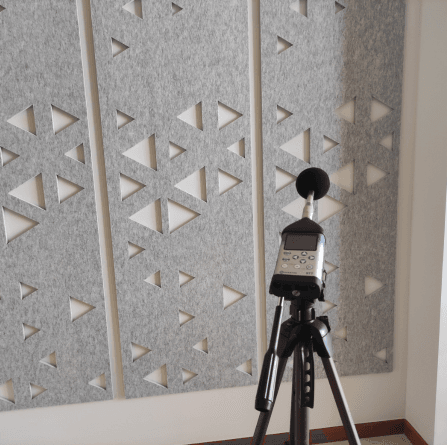
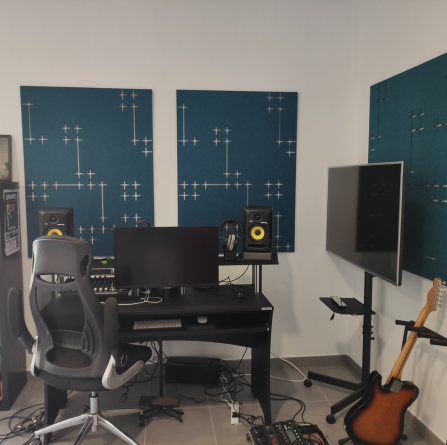
Wall acoustic panels are one of the most widely used solutions for reducing reverberation and improving speech intelligibility in indoor environments.
Their primary function is to absorb sound reflections from vertical surfaces, especially where hard materials such as glass, concrete or plaster predominate.
They are particularly effective in offices, meeting rooms, restaurants, educational facilities and workspaces where clear communication plays a key role.
In addition to improving acoustic performance, they integrate seamlessly into interior design thanks to a wide range of formats, finishes and customisation options.
Ceiling Acoustic Panels: Treating the Area Where Most Sound Concentrates
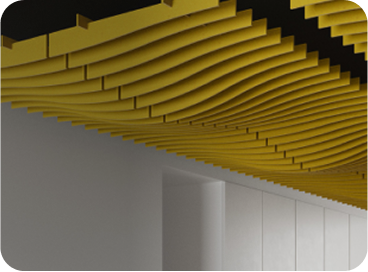
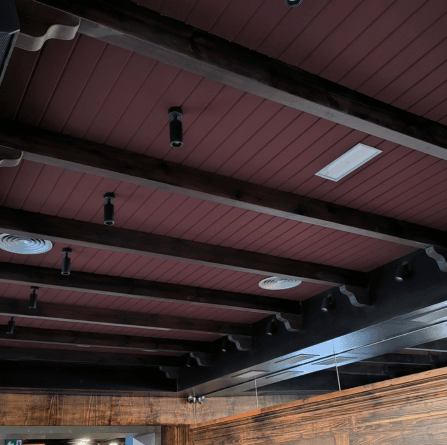
As the volume of a space increases, suspended acoustic solutions become increasingly important.
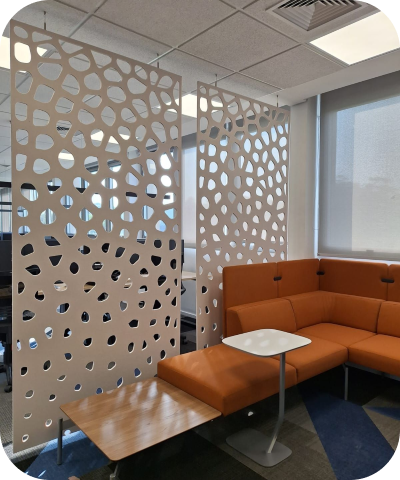
Acoustic islands, vertical baffles and other suspended elements intercept sound before it completes most of its reflections, improving the efficiency of the acoustic treatment.
In addition to enhancing sound absorption, they preserve open views, natural daylight and the feeling of spaciousness—qualities that are highly valued in contemporary architecture and interior design projects.
The Best Solution Is Often a Combination of Different Systems
In most professional projects, there is no single solution that fits every situation.
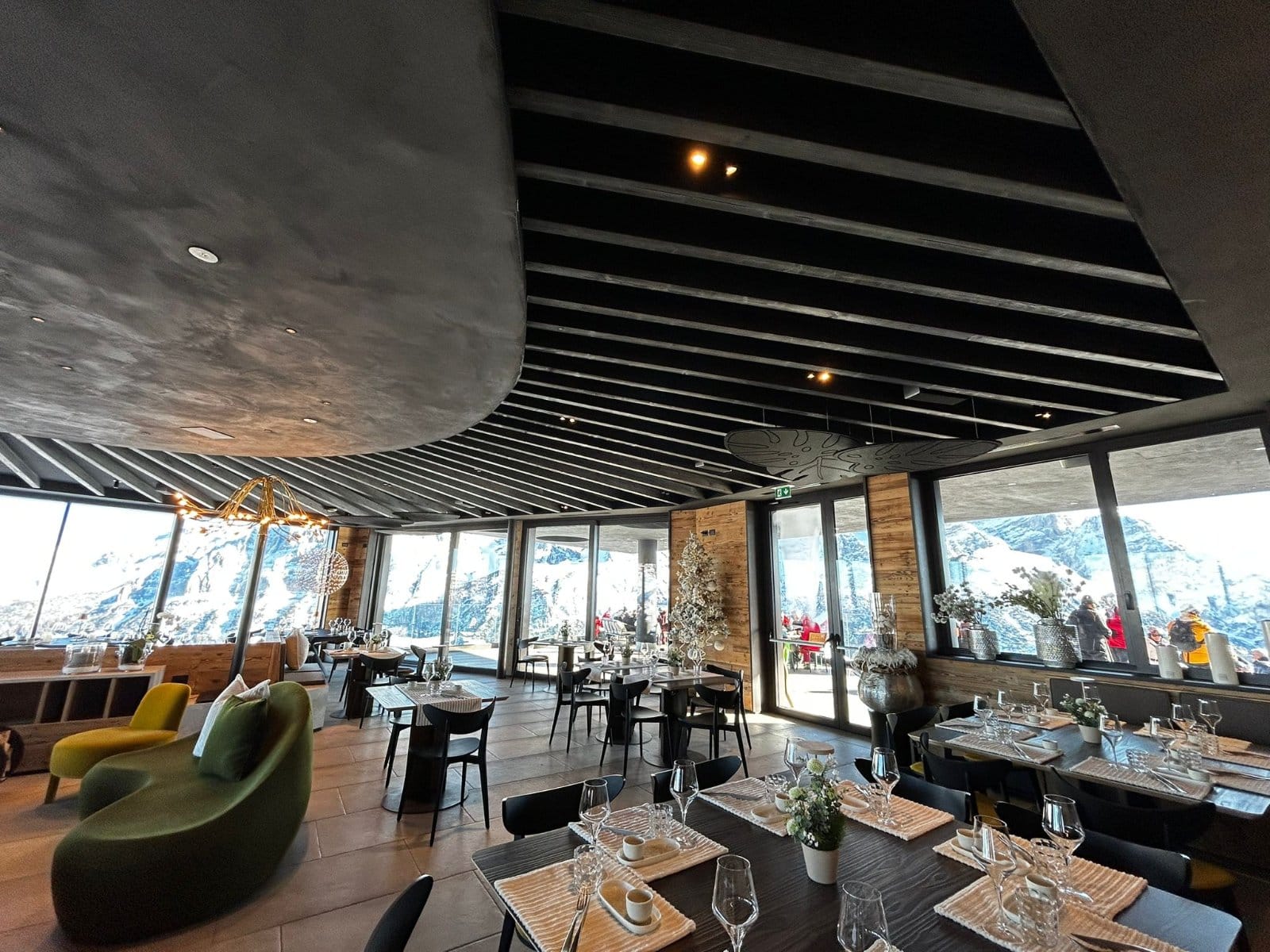
Combining wall acoustic panels, ceiling panels and suspended acoustic elements allows sound absorption to be distributed evenly according to the geometry, volume and intended use of the space.
This approach improves acoustic comfort without oversizing the installation and enables a much more natural integration into the architectural design.
Not Every Project Requires the Same Acoustic Treatment
Choosing the right product is only one part of the process.The effectiveness of an acoustic treatment also depends on the initial acoustic calculation, the distribution of the elements and the expected acoustic performance for each space.
Two offices with the same floor area may require completely different solutions depending on the ceiling height, furniture, construction materials or number of occupants.
For this reason, acoustic treatment should be considered a design decision rather than simply a product selection.

Which Acoustic Solution Should You Choose for Each Type of Space?
Choosing between wall acoustic panels, ceiling panels or suspended acoustic elements depends on much more than the design of the project.Factors such as room volume, ceiling height, reflective surfaces and the intended use of the space determine which solution will provide the best acoustic performance.
In many projects, the most effective strategy is to combine different systems to distribute sound absorption evenly and achieve the desired level of acoustic comfort.
Which solution is usually recommended for each type of space?
| Type of Space | Wall panels | Ceiling panels | Suspended Elements |
|---|---|---|---|
| Meeting room | ✅ Recommended | ✅ Recommended | ○ Optional |
| Open - plan office | ○ Complementary | ✅ Highly recommended | ✅ Highly recommended |
| Restaurant | ✅ Recommended | ✅ Recommended | ○ Depending on ceiling height |
| Reception / Lobby | ○ Complementary | ○ Complementary | ✅ Recommended |
| Classroom / Educational space | ✅ Recommended | ✅ Recommended | ○ Optional |
| Spaces with high ceilings | ○ Complementary | ○ Complementary | ✅ Primary solution |
**Every project requires a specific acoustic assessment.The choice of acoustic systems depends on the target reverberation time, the geometry of the space, the existing materials and the required acoustic performance.
Legend
✅ Recommended solution
○ Complementary solution
Harmonium | Acoustic Solutions Tailored to Every Space
At Harmonium, we work closely with architects, interior designers and specifiers to develop acoustic solutions tailored to the specific requirements of each project.
Our range of wall panels, ceiling panels and suspended acoustic elements combines certified acoustic performance, design freedom and customisation options to meet the demands of offices, corporate environments, hospitality, education and any space where acoustic comfort is an essential part of the user experience.
Improving acoustics is not about installing more panels—it is about installing the right solution in the right place.