Noise Is One of the Biggest Barriers to Workplace Productivity
In a modern office, phone calls, meetings, informal conversations and shared workspaces all coexist.
When sound is not properly controlled, the accumulation of reflections increases reverberation time and reduces speech intelligibility.
This forces people to make a greater cognitive effort to stay focused, increases listening fatigue and reduces concentration throughout the working day.
Effective acoustic treatment helps reduce background noise and creates an environment where people can work more comfortably and efficiently.
Acoustics Also Have a Direct Impact on Employee Well-Being
Acoustic comfort goes far beyond eliminating echo. It is directly linked to the way a space is perceived and to the overall daily experience of the people who use it.
An office with balanced acoustics creates a calmer environment, improves communication between teams and reduces the stress caused by constant background noise.
More and more organisations are considering acoustics as part of their workplace well-being strategy, recognising that a comfortable environment has a positive impact on employee satisfaction and performance.
Designing Offices Around the Way Sound Behaves
Not every area within an office has the same acoustic requirements.
Collaborative workspaces need to control background noise while maintaining an open and dynamic environment.
Meeting rooms require greater speech clarity.
Private offices demand more acoustic privacy, while breakout and relaxation areas should provide a calm and comfortable atmosphere.
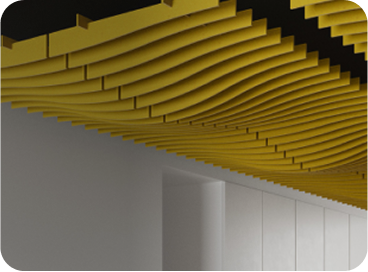
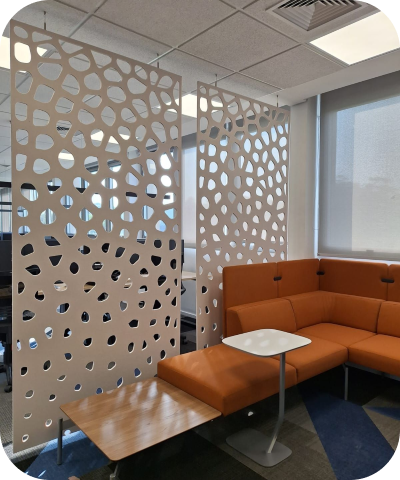
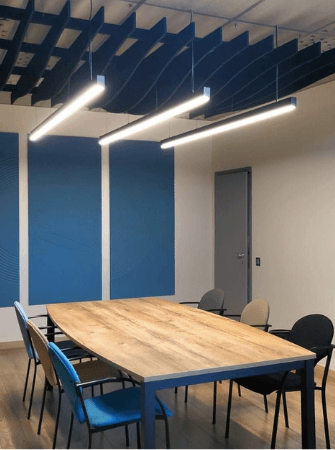
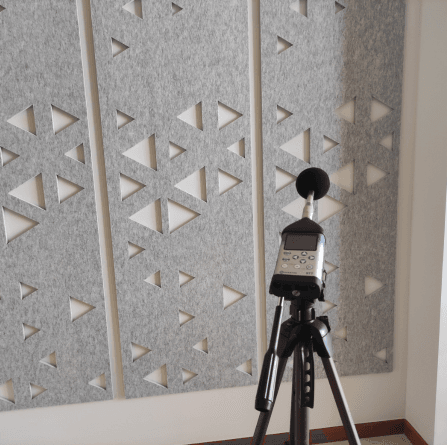
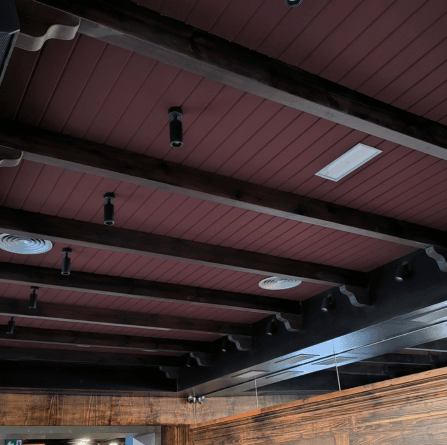
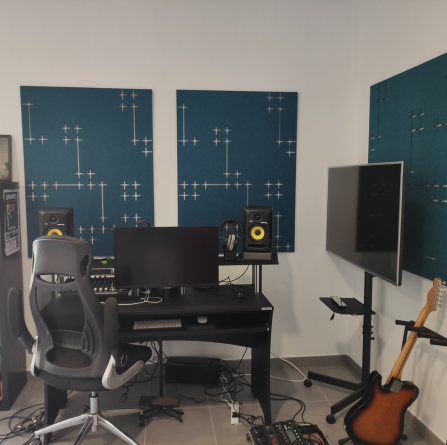
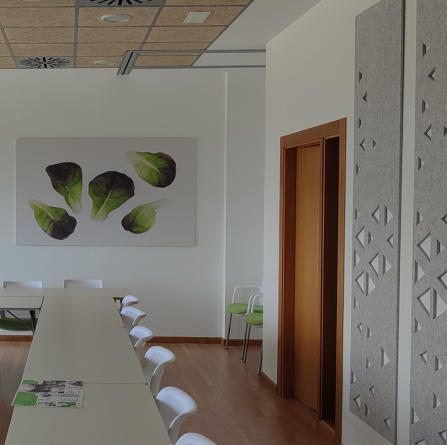
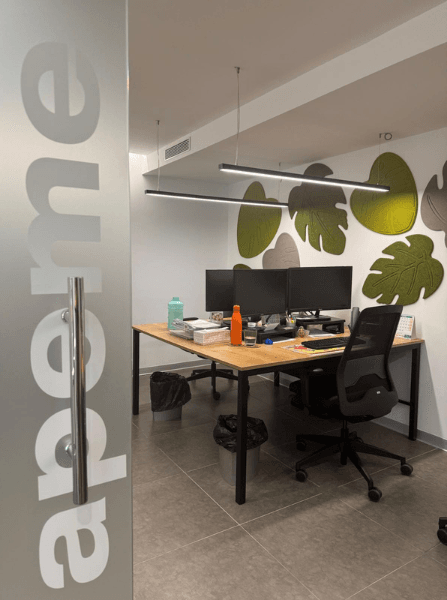
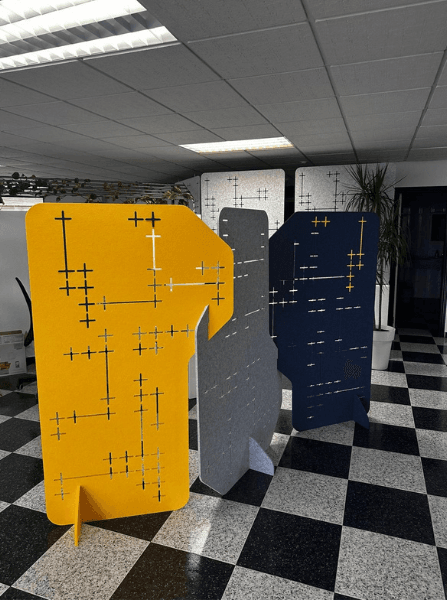
For this reason, acoustic design should be tailored to the specific function of each space by combining wall panels, ceiling panels and suspended acoustic elements where appropriate.
Integrating Acoustics into Interior Design
Today's acoustic solutions combine technical performance with creative freedom.
Acoustic panels are no longer seen as purely functional elements. Thanks to their wide variety of shapes, colours, textures and customisation options, they have become an integral part of a project's architectural language.
When acoustics are considered from the earliest stages of the design process, the result is a space that is both aesthetically coherent and functionally effective.
Every Office Requires Its Own Acoustic Strategy
Factors such as floor area, ceiling height, room volume, existing materials, occupancy levels and the type of activities carried out all influence the acoustic behaviour of an office.
Acoustic Design as an Investment in Productivity
Investing in acoustics is not just about reducing noise. It means improving communication, supporting concentration and creating spaces where people can perform their work under better conditions.
Every design decision influences the daily experience of the people using the office. A well-planned acoustic strategy helps create more efficient, healthier workplaces that are ready for the future of work.
Which Acoustic Solution Is Recommended for Each Office Area?
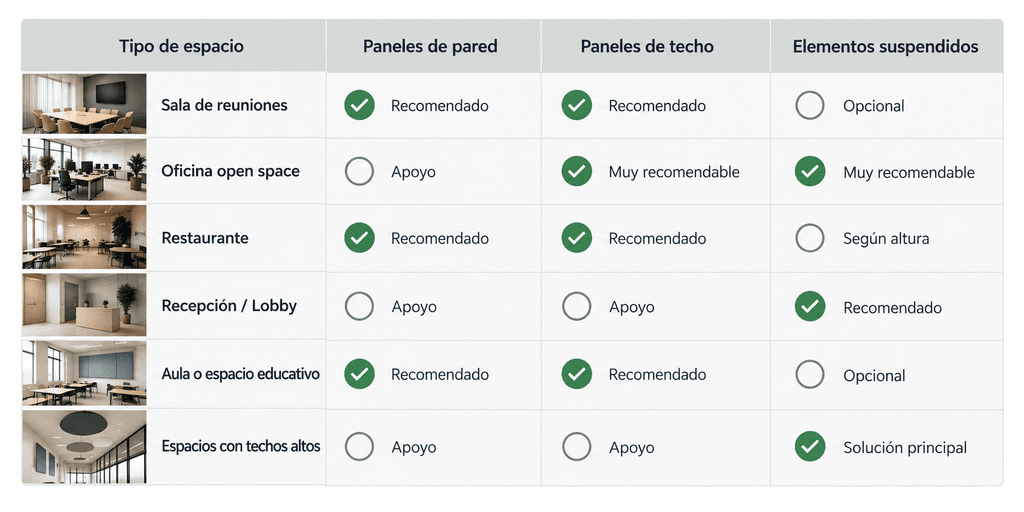
*✅ ✅ Recomendado → Recommended solution for this type of space.
◯ Apoyo → Complementary solution that improves acoustic performance when combined with other systems.
◯ Optional → May be used depending on the specific requirements of the project.
◯ ○ Según altura → Recommendation depends on the ceiling height and the volume of the space.
✅ Muy recomendable → Particularly effective solution for achieving high acoustic performance.
✅ ✅ Solución principal → Primary solution for this type of space.
Harmonium | Designing Acoustic Solutions for Projects That Demand More
Every space presents a different challenge, and every project requires a tailored solution. At Harmonium, we work alongside architects, interior designers, engineers and specifiers to develop acoustic solutions that are integrated from the earliest design stages, delivering comfort, performance and creative freedom.
Our wall panels, ceiling panels and suspended acoustic elements are designed to adapt to the specific requirements of each project, combining certified acoustic performance, extensive customisation options and aesthetics that integrate naturally into any architectural concept.
We believe acoustics should never be treated as an afterthought. They should be an integral part of interior architecture from the very beginning. Because when design and acoustic performance work together, the result is not only a space that looks better—it is a space that is experienced, heard and enjoyed in a completely different way.